Do Expensive Camera Gears Really Matter? Here Are My Gears And How I Use Them

Updated: Aug 15, 2019
The question that I got asked the most is, what camera gears do you use? And the follow-up one typically is, do good gears really matter in photography? Today I am going to show you what camera gears I use on a daily basis and talk about how different gears can change your way of taking pictures.
First, to answer the second question, my opinion is it depends what you want out of them. If your goal is solely to shoot high quality videos, a 4K, ultra high resolution camera is definitely going to worth your investment. However, do you really need that? If you are just shooting for fun on the weekends while enjoying your picnic at the lake with your family, or just trying to develop a cool new hobby and make new friends, a $2500 setup would just be seen as a show-off.
The biggest problem that I see regarding this topic is about commitment. A lot of people that I know are still confused with some of the buttons on their camera even after a few years of ownership. Also, it wouldn't matter much what cameras you have if you don't feel motivated to wake up for sunrise at 3AM to capture the perfect light.
Just like the auto or smart phone industry, camera manufacturers like Canon or Sony will always try to make you buy the latest products to knock out the order models and make more profits. Therefore, if you are just a broke student or simply care about your earnings, think about your needs and motivations before making decisions that you may regret later. But the good news here is that if you are buying from some of the major(Japanese) manufacturers, they often make high quality gears that hold their value over time. Nowadays, since competition in this industry is so high, a lot of low-end cameras can have amazing features and high durability for beginners if you are just getting into photography. After a while, if you have really enjoyed taking pictures and realized that the camera simply won't fit your shooting needs anymore, there is always an option to sell it at a relatively good price if you have taken care of it and upgrade to a better one.
However, if you have already decided to seriously consider making photography part of your life or a career in the future, my advise is to pick up a full-frame DSLR camera to start with. They are a little pricier than the half-frame ones but the ability to capture light and handle different shooting situations is much more superior. Also, almost all kinds of lenses fit on a full-frame DSLR, yet half-frame ones only support beginner lenses. If you ever want to become a semi-professional or professional photographer, believe me, lenses would make a much bigger difference than your camera in photography.
Canon EOS 6D
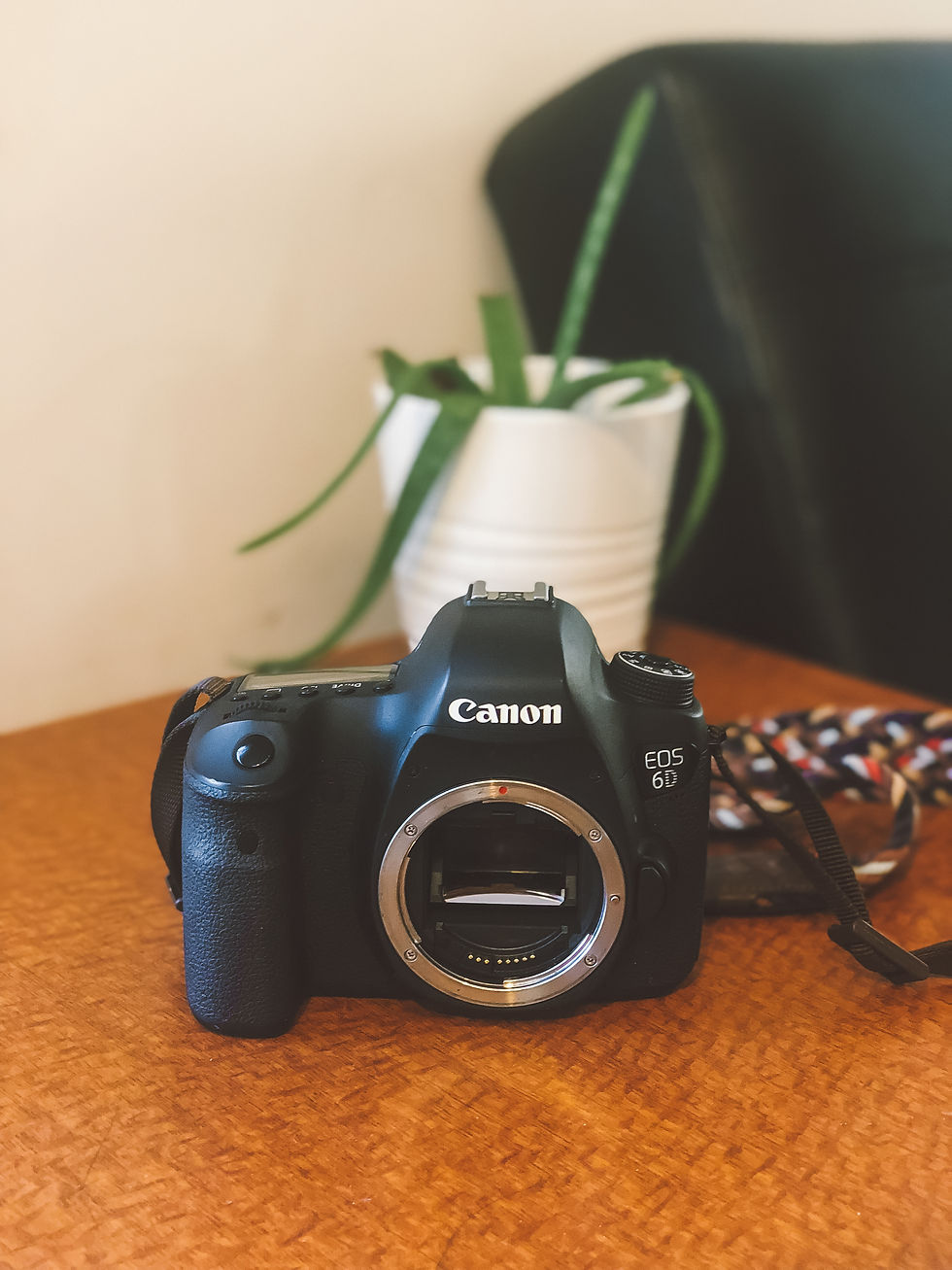
This is the one and only camera body that I have in the entire setup. Before this I used to own a Canon 70D in high school. But after I improved my skills and decided to take my photography to another level, I knew that having a full-frame DSLR would be the very first step. Over the years, a lot of people have asked me why not to switch to one of the 5D Mark series since the 6D is just older and not trendy anymore. Well, as simple as it sounds, it's because it still works. According to my research, the lifespan of a Canon 6D camera is around 300,000 shutter clicks and I believe I am only half way through that. It is just a well-made unit that I have taken anywhere in either heavy rains, humid summer heats, or freezing snowstorms that never broke down. Like I mentioned above, the point of having a full-frame camera is the capability to be used together with all types of prime lenses, and it has never given me a problem with that either. More interestingly, I have actually never extensively explored the video function of it yet over the years of ownership so technically it's not even wearing out that much at all!
Canon EF 16-35mm f/2.8L II USM

This is my go-to lens whenever I am out. Since I am more into landscape photography, the 16mm end helps me approach a wider angle and gain more elements in the frame. The f2.8 comes in real handy when shooting in low light situations, such as sunrise, sunset, or at night. Overall, although this lens doesn't zoom that far, it well suits my needs when I am exploring out in the wild along with some sharp and crispy results.
Canon EF 24-70mm f/4L IS USM
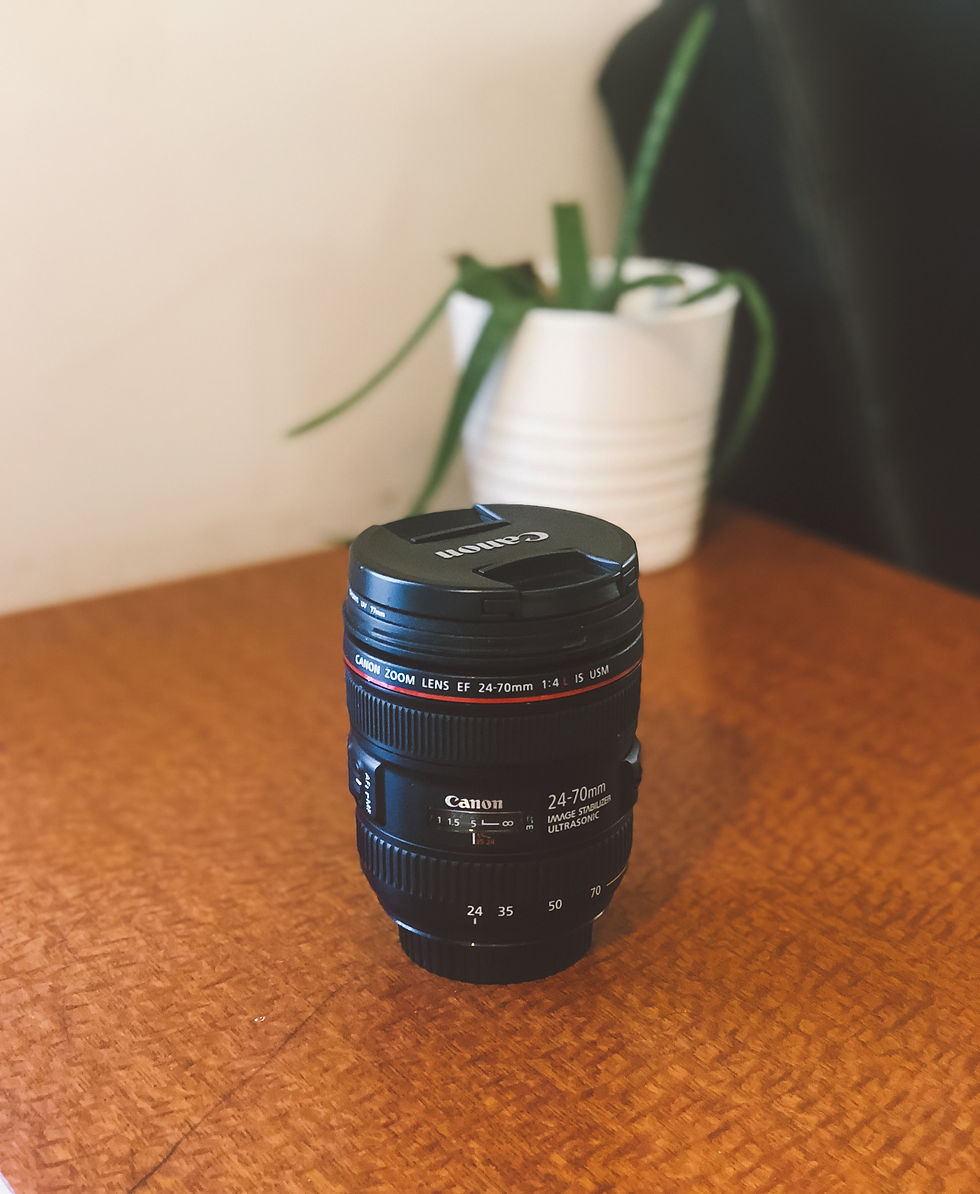
From my opinion, this is the most versatile lens for all photography needs. From portraits to landscape, from documentary to streets, you can handle everything with it. On one hand, the 24mm is wide enough to include almost everything you want to include in a shot, being only 8mm more than the 16mm. Yet, on the other hand, the 70mm end helps zoom in for every little detail you want to show in the picture without being too heavy like a telephoto lens. Beautiful moments don't last long. When you are shooting, everything around you is happening so quickly. What I enjoy about this lens is the fact that you can switch from a wide-angle lens to a semi-telephoto one within just a second, without actually taking it off and putting on a new lens which may have cost you a stunning picture already. If you are more serious, go for the f2.8 version. But if you are broke yet ready to take actions, this is the lens that I would recommend to start with!
Canon EF 70-200mm f2.8 L USM
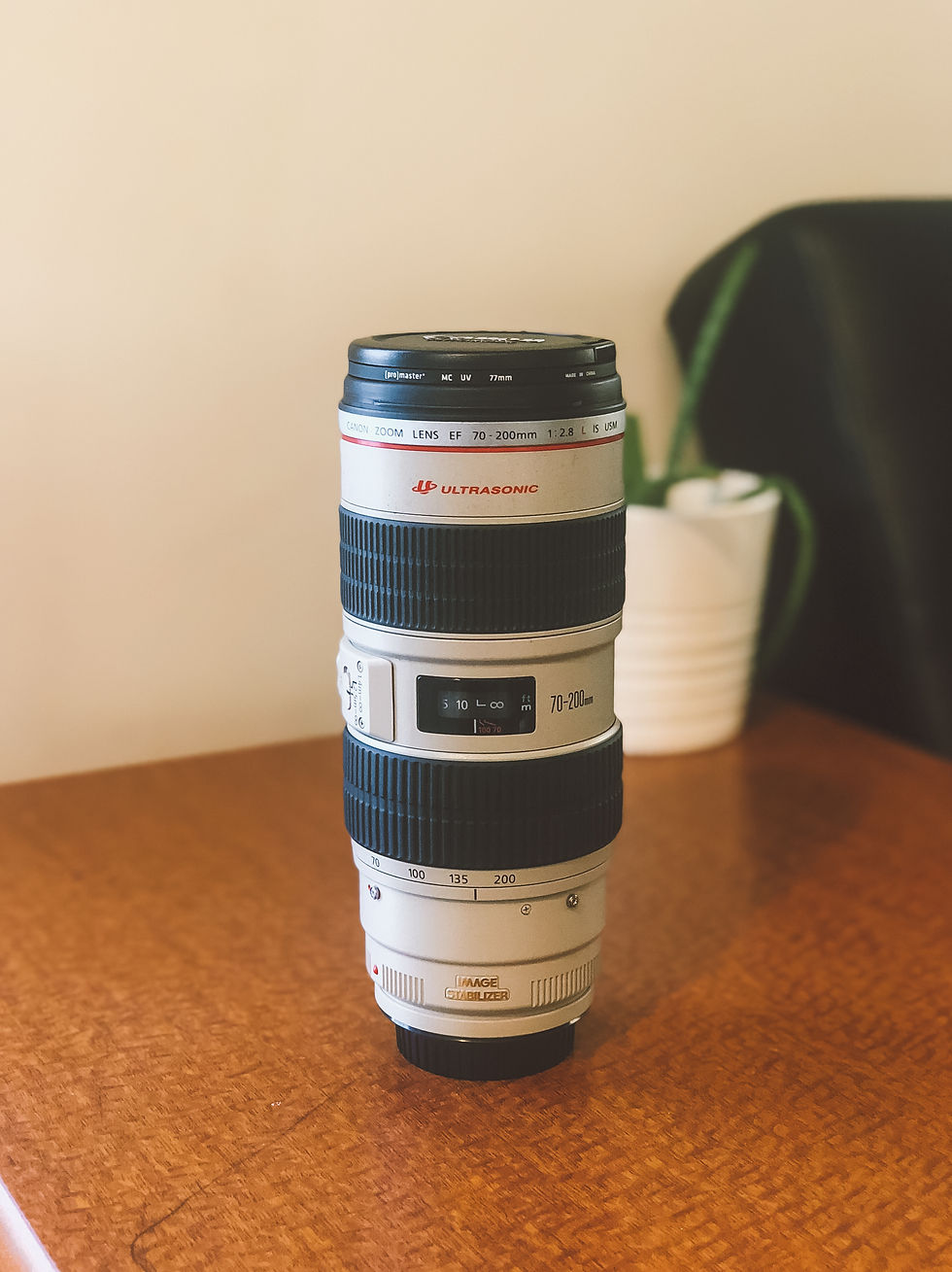
I gave it a lot of thoughts before buying. I kept asking myself, do I really need a telephoto lens? It is definitely one of the heaviest lenses out there and yet could be seen as a showoff. But I am glad that I made the right decision. It turned out that, at some points during my adventures, it did come in handy to provide me with an amazing depth of field and sharp results when I needed to show either the endlessness of a winding road or the wildlife I couldn't reach in the distance. Although this is the first 70-200mm generation with some stability issues, I think it is worth my investment as I only paid a small fortune for it and just use it occasionally. Given this is such a well-built lens from Japan, I have no doubt that I can have it for another three or four years before upgrading. However, being over 2 lbs I normally wouldn't take this lens hiking and personally wouldn't recommend it to any beginners that still haven't figured out what they want with photography yet.
AFAITH Portable Tripod

The one reason that I bought this tripod is that it simply fits my goal. It is inexpensive, extremely light, and small enough to fit in my backpack. I could have gone for a more expensive one for $200 more but what I needed was a tripod that could be easily carried around, instead of an ultra strong, professional looking one that could be heavier than my backpack! I am aware of the fact that the lighter the tripod is the less capable it becomes in strong winds which defeats the sole purpose of tripod, maximizing stability. Well, let's just say I simply won't put myself into those situations! If the wind starts to get stronger, I would try to hold the tripod with my hands for extra support, which was proven to work pretty well in the past. If the wind gets crazy, I would just call it a day since no photographers would have amazing results in such condition anyway. For those of you who are interested, here is the link to the tripod on Amazon. For less than $100, I would like to warn you that do not expect much, unless you are cheap and practical like me!
DJI Mavic Pro
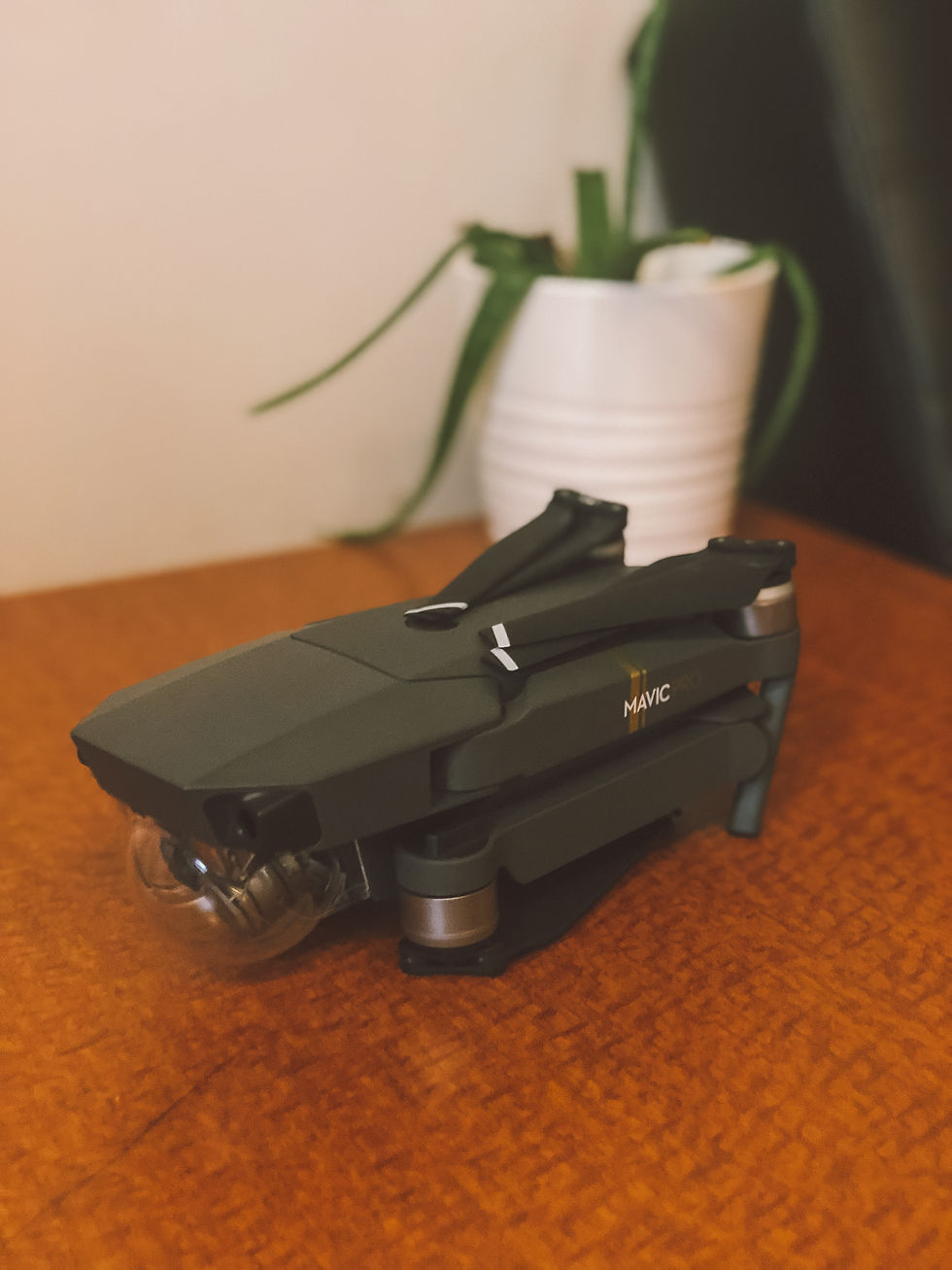
I have only started drone photography since February 2019 after my girlfriend bought me the Mavic Pro as a birthday gift. To be honest, it does feel good when you are able to see things from a different perspective (just like life!). However, I won’t jump into the technical aspect of drones today as I don’t see myself have the skills and qualifications to talk about it yet. It’s also due to my belief that owning a drone or not will not improve your overall photography skills or tastes. Work with what you have first, learn from the basic, and start to appreciate the little objects in life. Most importantly, train your eyes. When you can just naturally see things from a perspective that no one else can, it means you are ready to break free and enter into a whole new world!
Langley Backpack
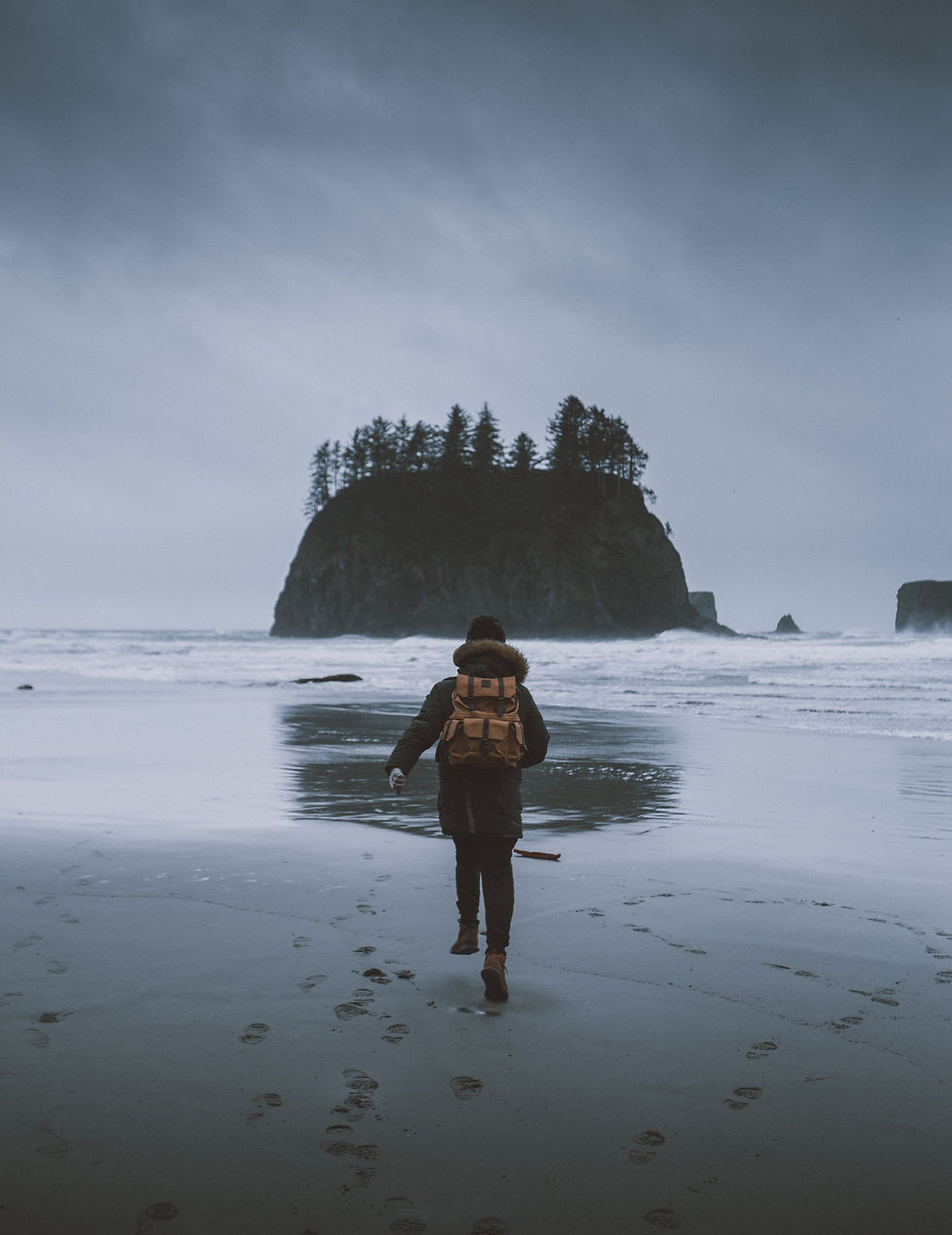
For those of you who know me, it's clear that I'd like to integrate backpacks into my shots as much as possible to achieve the optimal combination of vibe and depth. For that reason, I had never stopped hunting down a durable yet sleek-looking camera bag and many of them had disappointed me somehow until I found the one and only, Langley Alpha Globetrotter. With its rugged look and extreme durability for extreme conditions, I never felt more confident and proud when traveling with this backpack on my shoulder. Please note that what I am saying is not sponsored. As a matter of fact, I do not recommend it if you are just starting out or not into the adventure type of lifestyle or photography, as it is a little pricy and quite heavy to wear for daily use.
Thanks for reading! If you like the article, please give me a follow on Instagram so that I can take you to all my adventures. Shall we?
Comments